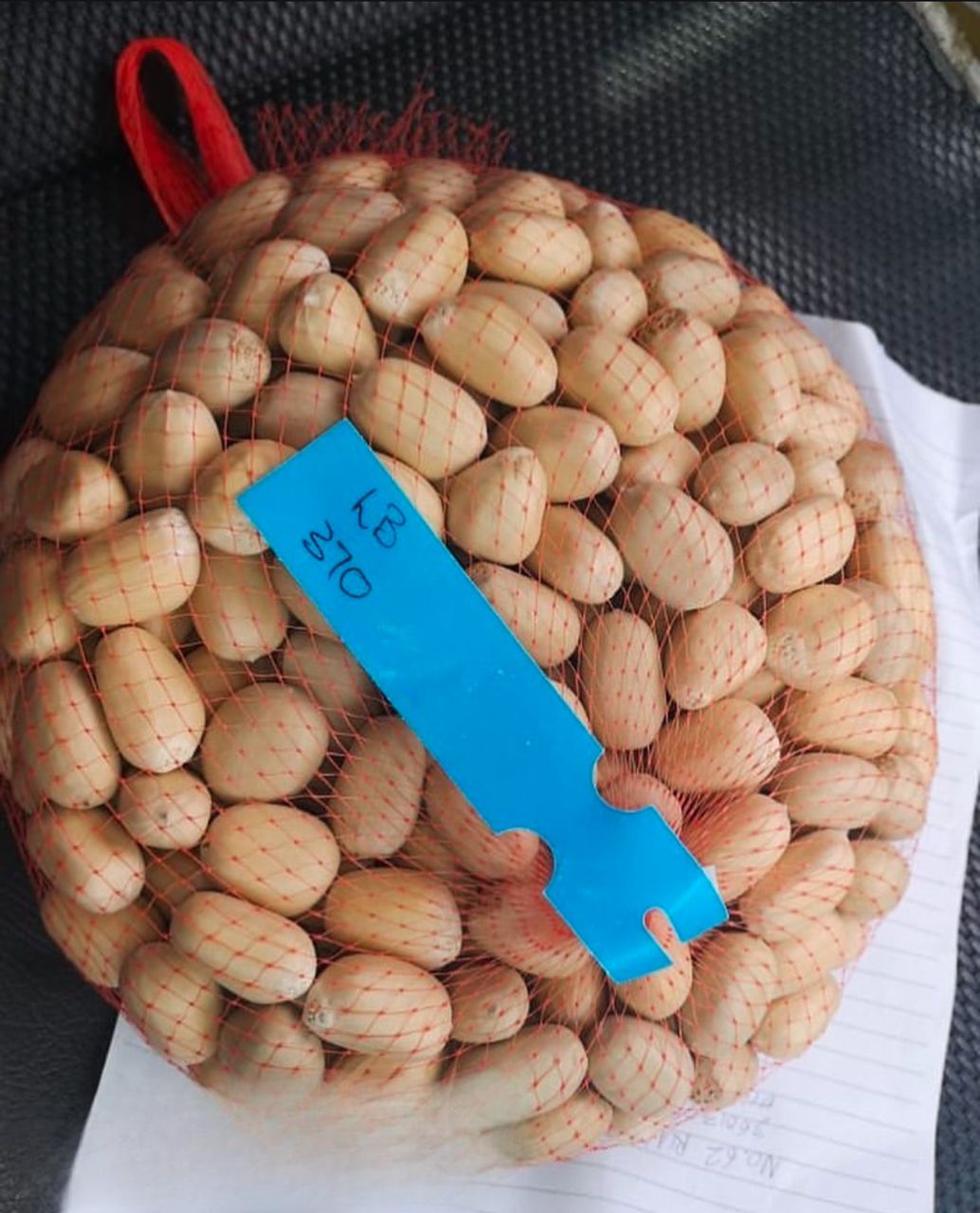
Encephalartos horridus seeds Encephalartos horridus seeds are from the Eastern Cape blue cycad, a unique and sought-after species among plant enthusiasts. Here’s a summary of key points related to these seeds: Description and Characteristics Appearance: Seeds are pale red to carmine in color and roughly triangular with three flattened surfaces. Plant Characteristics: The plant itself is known for its striking bluish-gray to silver-blue foliage, which emerges in tightly packed rosettes atop a stout, woody trunk. It is dioecious, meaning plants are either male or female. Reproduction and Seed Production Reproduction: Seeds are produced via cones on separate male and female plants. Male cones are typically more tubular and thin, while female cones are thicker and often resemble a pineapple. Pollination: Pollination is usually accomplished by insects or beetles, but can also occur through wind or manual intervention. Cultivation Tips Seed Collection: Collect seeds from mature female cones when they are fully ripe. Cleaning and Scarification: Remove seeds from cones, rinse thoroughly, and consider scarifying to improve germination rates1. Planting Medium: Use a well-draining potting mix suitable for succulents or cacti. Planting Depth: Plant seeds shallowly, just covered with soil1. Temperature and Light: Provide warm temperatures (around 21-27°C) and bright, indirect light. Germination: Germination can be slow, often taking several months to a year or more. Seed Viability and Storage Seed Maturity: Seeds typically mature in about six months after cone dehiscence. Storage: Cycad seeds are recalcitrant, meaning they cannot be stored for long periods and should be sown soon after maturity. Availability Purchase: Seeds are available for purchase from various nurseries and online retailers, such as Ahead Nursery and Rare Palm Seeds the details about encepharlatos horridus seed Encephalartos horridus seeds are an integral part of propagating this unique and striking cycad species. Here are the key details about these seeds: Seed Characteristics Color: Seeds are pale red to carmine in color. Shape: They are oblong, roughly triangular with three flattened surfaces, and slightly angled by compression. Size: Seeds are approximately 3.5-5 cm long and 2-5 cm in diameter. Sarcotesta: The sarcotesta (outer fleshy layer) is pale red or carmine. Toxicity Warning: Seeds are poisonous and should be handled with caution1. Reproduction and Seed Production Dioecious Nature: Encephalartos horridus is dioecious, meaning plants are either male or female. Seeds are produced on female plants after pollination by male plants. Cones: Female cones are larger, broader, and often resemble a pineapple, while male cones are more tubular and slender. Pollination: Pollination is typically by insects or beetles, but can also occur through wind or manual intervention. Cultivation and Propagation Seed Germination: Fresh seeds germinate more readily. Soaking seeds in lukewarm water for 24-48 hours before sowing can aid germination. Use a well-draining seed-starting mix and maintain consistent moisture and warmth. Germination Time: Germination can take several months to over a year. Alternative Propagation: Besides seeds, Encephalartos horridus can be propagated through suckers, which are faster to mature but lack genetic diversity. Environmental Requirements Climate: Best suited for tropical or subtropical climates. Plants should be kept dry in winter at temperatures around 10°C (50°F). Growth Habit: Plants are low-growing, forming a dense, spiky rosette without a visible stem. Availability Purchase: Seeds are available from various nurseries and online retailers, such as Ahead Nursery and Cape Cycads What are the unique characteristics of Encephalartos horridus leaves Encephalartos horridus, commonly known as the Eastern Cape blue cycad, is renowned for its unique and striking foliage. Here are the key characteristics of its leaves: Unique Characteristics of Leaves |Encephalartos horridus seeds Color: Leaves are initially silvery-blue when young and may turn more greenish with age, though they often retain a bluish-gray hue. Shape and Structure: Leaves are compound, consisting of numerous smaller leaflets arranged along a central axis. They are up to 1 meter long and often sharply recurved towards the tip. Texture and Spines: The leaflets are stiff, sharply pointed, and very spiny, providing a formidable defense mechanism. Leaflet Arrangement: Leaflets are spaced in the lower half of the leaf and closer together in the upper half. They are thick, rigid, and obliquely ovate-lanceolate with 1-3 sharply pointed lobes in different planes. Growth Habit: Leaves grow in a crown, radiating outward from the top of the plant, forming a dense, spiky rosette. Variation: There is evidence of variation within the species, including a possible ‘dwarf’ form with smaller stems and leaves. These unique characteristics make Encephalartos horridus a visually striking and highly sought-after species among plant enthusiasts. how to cultivate Encephalartos horridus seeds Cultivating Encephalartos horridus seeds requires careful attention to several factors, including soil composition, moisture, temperature, and light. Here’s a step-by-step guide on how to cultivate these seeds: Cultivation Steps 1. Seed Preparation Seed Collection: Collect seeds from mature female cones when they are fully ripe. Cleaning: Remove seeds from cones and rinse them thoroughly to remove any remaining flesh or debris. Scarification: Some growers recommend scarifying the seeds by nicking the seed coat or soaking them in a diluted bleach solution to improve germination rates. 2. Planting Medium Use a well-draining, sterile potting mix formulated for succulents or cacti. A mix of sandy soil, pumice, and perlite can also be effective for providing proper drainage and aeration. 3. Planting Depth Plant the seeds shallowly, just deep enough to cover them with a thin layer of soil. 4. Watering Keep the soil consistently moist but not waterlogged. Water from the bottom to prevent disturbing the seeds. 5. Temperature and Light Provide warm temperatures between 21-27°C (70-80°F) and bright, indirect light for optimal germination. For more advanced germination, temperatures can be slightly higher, between 27°C and 32°C. 6. Germination Time Germination can be slow, often taking several months to over a year. Be patient and maintain consistent care throughout the germination process. 7. Post-Germination Care Once germinated, seedlings require careful nurturing and protection from extreme temperatures and pests. Continue to provide well-draining soil and avoid overwatering. Additional Tips Soil pH: The plant prefers slightly acidic soil. Sunlight: While it prefers bright, indirect light for germination, mature plants can thrive in full sun. Watering During Growth: Regular watering during the growing season promotes healthy growth, but avoid overwatering. By following these steps and tips, you can successfully cultivate Encephalartos horridus seeds into thriving plants. How long does it typically take for Encephalartos horridus seeds to germinate Encephalartos horridus seeds typically take around 6 months to germinate, although this timeframe can vary. Some sources suggest that germination can occur within several months, while others indicate it may take up to a year or more under less optimal conditions. Factors influencing germination include the freshness of the seeds, the quality of the planting medium, and environmental conditions such as temperature and moisture. Here are some key points to consider for optimal germination: Seed Freshness: Fresh seeds germinate more readily. Soaking: Soaking seeds in lukewarm water for 24-48 hours before sowing can aid germination. Temperature: Maintain warm temperatures between 21-27°C (70-80°F). Light: Provide bright, indirect light. Moisture: Keep the soil consistently moist but not waterlogged. Given these conditions, most Encephalartos horridus seeds will germinate within about six months, but patience is essential as the process can be slower in some cases. How can I improve the germination rate of Encephalartos horridus seeds mproving the germination rate of Encephalartos horridus seeds involves several key strategies: Strategies to Improve Germination Rate for Encephalartos horridus seeds 1. Seed Freshness and Quality Source Fresh Seeds: Fresh seeds germinate more readily. Obtain seeds from reputable suppliers to ensure they are fresh and of high quality. Seed Inspection: Check seeds for any signs of mold or decay before planting. 2. Seed Preparation Cleaning: Remove seeds from cones and rinse them thoroughly to eliminate any remaining flesh or debris. Soaking: Soak seeds in lukewarm water for 24-48 hours before sowing to enhance moisture absorption. Scarification: Some growers recommend scarifying seeds by nicking the seed coat or using a diluted bleach solution to improve germination rates, though this is not universally recommended. 3. Planting Medium and Conditions Sterile Medium: Use a well-draining, sterile potting mix formulated for succulents or cacti. A mix of sandy soil, pumice, and perlite is ideal. Moisture Control: Maintain consistent moisture without overwatering. The medium should be moist but not wet. Temperature: Provide warm temperatures between 21-27°C (70-80°F) for optimal germination. Some methods suggest temperatures up to 32°C for faster germination. 4. Planting Technique Seed Placement: Place seeds halfway into the moist sand, ensuring the sprouting end remains uncovered to prevent fungal infection. Covering with Perlite: Cover seeds with moist perlite to maintain humidity and sterility. 5. Fungicide Use Fungicide Application: Dip seeds in a fungicide like Daconil before planting to reduce fungal infections. 6. Environmental Conditions Light: Provide bright, indirect light for optimal germination. Humidity: Maintain a humid environment, especially when using the “baggy method” with plastic bags and sphagnum or peat. 7. Monitoring and Maintenance Regular Inspection: Check seeds regularly for signs of germination or fungal growth. Remove any seeds that have sprouted or show signs of decay. By implementing these strategies, you can significantly improve the germination rate of Encephalartos horridus seeds. What is the best method to prevent fungus when germinating Encephalartos horridus seeds Preventing fungus when germinating Encephalartos horridus seeds involves several key strategies: Methods to Prevent Fungus of Encephalartos horridus seeds 1. Seed Cleaning Remove Sarcotesta: Clean seeds by removing the fleshy sarcotesta layer to prevent fungal growth and potential germination inhibitors. Fungicide Soak: Soak seeds in a broad-spectrum fungicide to eliminate spores present on the seeds1. 2. Sterile Planting Medium |Encephalartos horridus seeds Use Mineral Medium: Sow seeds on a mineral bed made of perlite, sand, or vermiculite. This medium is less prone to fungal growth compared to organic potting mixes. Sterilize Medium: If using organic mediums like sphagnum or peat, sterilize them in a microwave for 5 minutes at maximum power to kill fungal spores. 3. Controlled Moisture Maintain Humidity: Use the “baggy method” with plastic bags and sphagnum or peat to maintain consistent humidity around the seeds. Ensure the medium is moist but not too wet. Avoid Overwatering: Prevent waterlogged conditions by allowing the medium to dry slightly between waterings. 4. Air Circulation Increase Airflow: Use a small fan to improve air circulation around the seeds or seedlings. This helps prevent fungal growth by reducing moisture accumulation. 5. Temperature Control Optimal Temperature: Maintain temperatures between 27°C and 32°C for optimal germination and reduced fungal risk. 6. Regular Inspection Monitor for Fungus: Regularly inspect seeds for signs of fungal growth. Remove any seeds showing fungal infection to prevent the spread. By implementing these methods, you can significantly reduce the risk of fungal infections during the germination of Encephalartos horridus seed
Related products
-
Hot Sale SEED ANTIRRHINUM DARK ORANGE POTOMAC F1 $ 5.35 Select options This product has multiple variants. The options may be chosen on the product page